


AI, Ambition and Alliance: How Peter Pellegrini’s India Visit Is Redefining India–Slovakia Ties

Where Slovak castles meet Indian skylines, a dialogue of centuries finds new voice.

At the crossroads of artificial intelligence and global realignment, Slovakia’s outreach to India marks a decisive pivot toward the Indo-Pacific century. The February 2026 visit of Peter Pellegrini, President of the Slovak Republic, to New Delhi was not merely a ceremonial one, but was a strategic signal of ambition. Taking place alongside the India–AI Impact Summit 2026, the visit fused symbolism with substantive engagement in trade, technology, and global governance.
If trade laid the foundation, technology is now building the superstructure of India–Slovakia relations. From Cold War engineering ties to AI-driven innovation partnerships, the arc bends toward strategic maturity. The visit underscored that both nations are seeking to convert historical goodwill into tangible economic and technological outcomes.
A First Meeting With Big Stakes
President Pellegrini’s bilateral discussions with Narendra Modi, Prime Minister of India, marked their first official encounter. The talks reviewed the full spectrum of bilateral ties, ranging from industrial cooperation to regional security and global governance.
For Slovakia, a small but highly industrialised EU member, diversifying trade beyond Europe has become a strategic imperative. India, meanwhile, continues its outreach to Central and Eastern Europe, seeking resilient supply chains, high-tech partnerships, and stronger defence ties. In this context, the meeting reflected not just diplomatic courtesy but alignment of strategic interests amid shifting global economic and geopolitical currents.
India’s position as one of the world’s fastest-growing major economies made it a compelling partner. Bilateral trade between India and Slovakia crossed €1.28 billion in 2024, the highest in history. Both Indian exports and Slovak exports showed robust growth, reflecting a maturing and increasingly balanced economic relationship. Discussions between the leaders emphasised that bilateral engagement was no longer just symbolic but an engine for technological collaboration and trade diversification.
Anchored in History, Poised for the Future
This partnership is rooted in decades of quiet industrial cooperation dating back to the Czechoslovak era. Diplomatic relations with India were established in 1947, shortly after India gained independence. More than 1,000 Indian students studied in Czechoslovak institutions during the Cold War, pursuing engineering and medical degrees, sowing seeds of enduring people-to-people ties.
During the Cold War, India maintained cordial relations with Prague, engaging in heavy engineering projects, industrial cooperation, and defense supplies. Educational exchanges also flourished, establishing a cadre of Indian professionals familiar with Central European technical expertise.
After Czechoslovakia’s peaceful dissolution in 1993, India swiftly recognized the Slovak Republic and established diplomatic relations. Embassies in Bratislava and New Delhi institutionalised political dialogue and economic cooperation. High-level visits over the years reinforced ties across trade, scientific research, and defence industry collaboration, setting the stage for the deeper engagement seen today.
Slovakia’s industrial and technological strengths complement India’s growing capabilities. The country’s automotive sector contributes nearly 13% of its GDP and makes it the world’s largest car producer per capita. Slovakia’s precision manufacturing expertise is a natural match for India’s expanding industrial base, particularly in automobiles, IT, and pharmaceuticals.
Real-World Synergies: Factories, Power Plants, and Payment Systems
Slovakia’s strengths are not abstract. They are concrete and observable. Volkswagen Slovakia, one of the nation’s largest industrial employers, exemplifies the country’s automotive prowess. In parallel, Škoda Auto Volkswagen India operates manufacturing facilities in Pune and other Indian cities. The shared Volkswagen ecosystem quietly links assembly lines in Bratislava with production corridors in India, showing how global value chains already connect the two economies long before any high-level visit.

Energy cooperation has similar tangible roots. Slovakia operates nuclear power plants such as Mochovce Nuclear Power Plant, where nuclear energy forms a significant share of national electricity generation. India, pursuing its civilian nuclear program as part of a clean energy transition, finds a natural partner in Slovakia. Their parallel reliance on nuclear power transforms collaboration from a theoretical possibility into a practical agenda.
Digital innovation also provides concrete bridges. India’s Unified Payments Interface (UPI) has drawn global attention as a scalable digital public infrastructure model. Central European observers, including those from Slovakia, have studied UPI’s real-time payments success as part of broader debates on digital transformation. This provides a tangible foundation for discussions on smart technologies, innovation partnerships, and digital governance during Pellegrini’s visit.
Strategic Economic Momentum
The India–Slovakia economic relationship has grown steadily. Bilateral trade surpassed €1.28 billion in 2024, demonstrating the rising relevance of the partnership. Slovak investments in India increasingly target automotive components, defence manufacturing, and smart technologies, sectors aligned with India’s “Make in India” initiative.
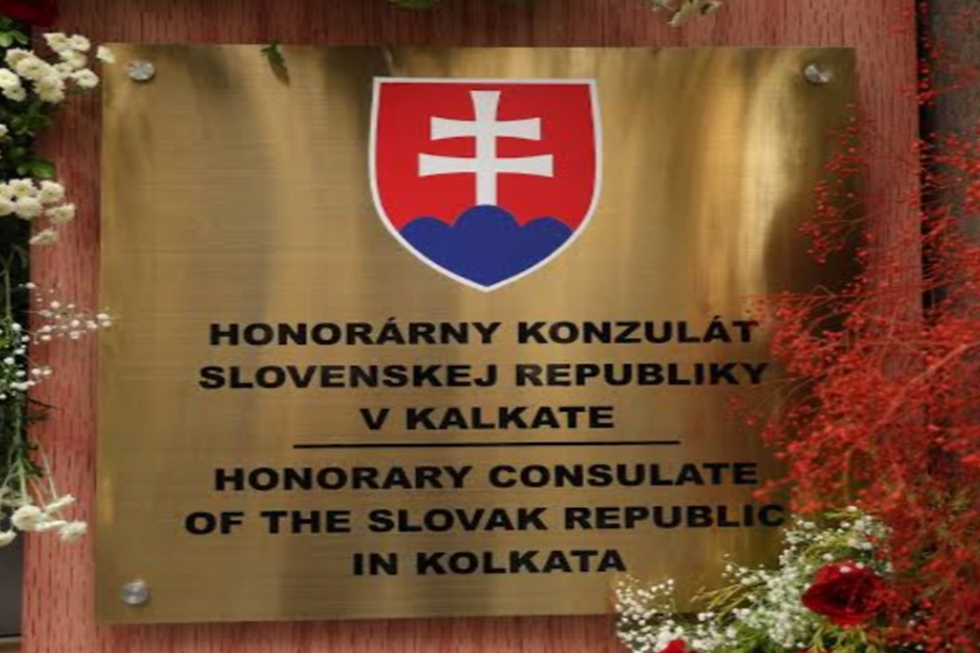
Institutional support has strengthened these ties. The opening of Slovakia’s Honorary Consulate in Kolkata in 2025 expanded diplomatic and commercial outreach beyond New Delhi and Mumbai. By focusing on eastern India, an emerging logistics and manufacturing hub, Slovakia signalled long-term commercial seriousness rather than symbolic engagement.
High-level exchanges have produced concrete agreements in areas such as MSME cooperation and diplomatic training. Slovak technology and innovation days organised in India have facilitated more than 200 business-to-business meetings, paving the way for potential joint ventures in smart technologies and advanced manufacturing. This robust private-sector engagement signals that both governments are laying the infrastructure for sustainable economic ties.
The India–EU Free Trade Agreement: A Structural Boost
A major highlight of the Modi–Pellegrini meeting was the positive momentum from the recent India–EU Free Trade Agreement (FTA). For Slovakia, as an EU member, the agreement opens pathways for enhanced trade and investment flows across a market of over 450 million consumers.
The leaders discussed collaboration in startups, information technology, renewable energy, including nuclear energy, manufacturing, defence, space, and education. The FTA framework is expected to facilitate improved market access and regulatory cooperation, potentially boosting sectors where Slovakia’s industrial capabilities align with India’s growth trajectory.
The agreement acts like a widened runway. With it, bilateral cooperation is primed for takeoff, enabling Slovak precision engineering, industrial machinery, and automotive expertise to integrate with India’s fast-expanding markets.
Artificial Intelligence and Digital Transformation
President Pellegrini’s presence at the India–AI Impact Summit 2026 gave a thematic anchor to the visit. Both leaders highlighted artificial intelligence as a transformative force for economic and social development.

India’s vision of “AI for All” aligns with Slovakia’s push for digital transformation and Industry 4.0. Conversations focused on joint research, innovation partnerships, and ethical AI frameworks designed for inclusive growth. Enhanced cooperation in digital public infrastructure, leveraging India’s experience in large-scale digital governance and Slovakia’s expertise in smart technologies, promises tangible results.
Potential outcomes include university research partnerships, startup exchanges, and technology transfer in high-value sectors, demonstrating how bilateral engagement extends beyond diplomacy into practical innovation.
Political Alignment and Global Governance
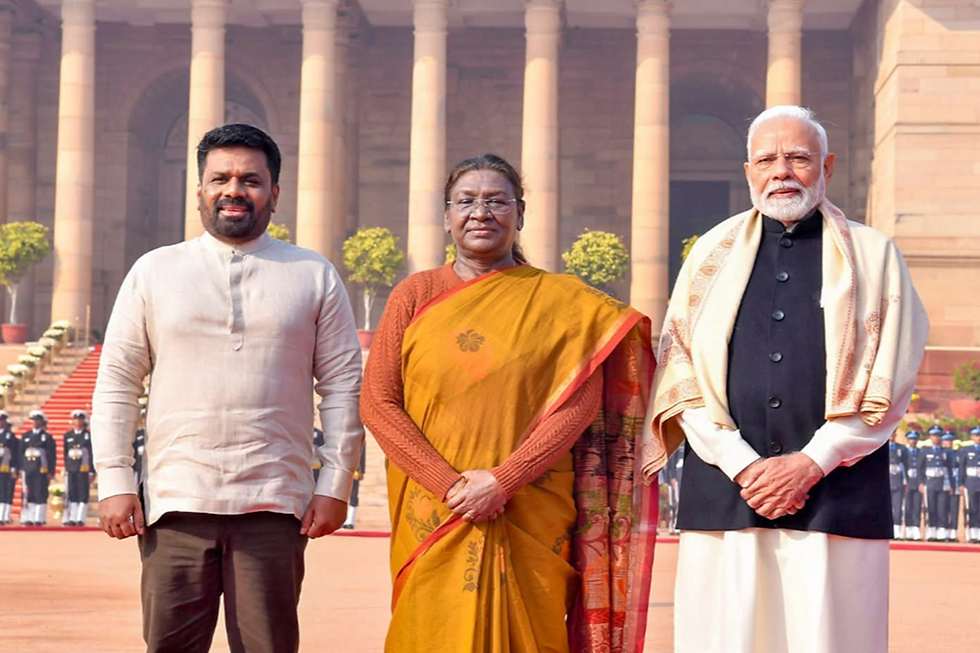
Beyond economic and technological collaboration, the visit reinforced political trust. President Pellegrini met with President Droupadi Murmu, expanding discussions to global governance, multilateralism, and shared democratic values. Slovakia supports India’s bid for permanent membership in the United Nations Security Council, reflecting converging views on reforming global institutions to reflect contemporary geopolitical realities.

These interactions illustrate that the partnership is both pragmatic and principled. Shared perspectives on democracy, multilateralism, and regional security provide a strong foundation for deeper cooperation in international fora.
People-to-People and Cultural Ties
The human dimension of bilateral relations was also emphasised. The Indian diaspora in Slovakia, though modest, has grown steadily, particularly in IT, medicine, and academia. Cultural and educational exchanges aim to reinforce societal foundations, complementing high-level economic and strategic engagement.
By reaffirming commitments to tourism, academic mobility, and cultural collaboration, both nations signalled that economic and technological ties are strengthened when paired with societal connections.
A Forward-Looking Partnership
President Pellegrini’s India symbolises a renewed chapter in India–Slovakia relations. What began as Cold War-era industrial cooperation under Czechoslovakia has evolved into a modern partnership centred on innovation, trade diversification, and shared democratic values.
With surging trade, FTA mechanisms in place, and both nations prioritising technology-driven growth, the trajectory is poised for acceleration. From AI and renewable energy to defence manufacturing and academic exchange, the visit laid the groundwork for engagement across multiple fronts.
The arc from Cold War engineering classrooms to AI labs in New Delhi shows how historical goodwill, strategic ambition, and technological foresight can align. Slovakia’s precision manufacturing, nuclear expertise, and automotive leadership converge with India’s market scale and technological ambition.
Where Castles Meet Skylines

From Bratislava to New Delhi, centuries of dialogue have found a renewed voice. This partnership illustrates how mid-sized nations can navigate a world defined by AI, shifting trade corridors, and geopolitical flux.
As the Indo-Pacific century unfolds, the India–Slovakia story may become a model of forward-looking bilateral cooperation. The journey from historical industrial cooperation to high-tech innovation partnerships reminds us that enduring partnerships are carefully nurtured, strategically launched, and poised to redefine regional and global landscapes.

Comments