


11th Heads of Missions Conference: What is India’s Strategy to Shape Global Outcomes?
- Joydeep Chakraborty
- Apr 30
- 4 min read
The significance of the 11th Heads of Missions Conference lies in its intent. India is building a coordinated diplomatic machinery. It is aligning foreign policy with economic priorities and crafting a narrative that speaks of both ambition and responsibility.

In the shifting winds of geopolitics, Indian diplomats are learning to command the currents. The 11th Heads of Missions Conference in New Delhi arrives at a moment when the world feels unsettled and fragmented, yet far from devoid of opportunity. Seasoned envoys across the system are working to earn a global vote of confidence, and the recent conference served as a decisive extension of that effort.
From Gathering Envoys to Aligning Strategy
A deeper dive into the undercurrents of the conference suggests it was anything but a routine diplomatic congregation. The stage in New Delhi functioned as a strategic control room, where India aligned its global posture, reviewed performance, and prepared for the disruptions now shaping international relations.
Addressing India’s ambassadors and high commissioners, External Affairs Minister Dr. Subrahmanyam Jaishankar underlined that Indian diplomacy must advance national interests in what he described as a volatile and turbulent world, a message that signals a clear shift in mindset.
With over 190 diplomatic missions worldwide, India’s presence has expanded steadily. But scale alone cannot deliver outcomes. The focus now shifts to coherence. How effectively are missions boosting trade, securing technology partnerships, and strengthening geopolitical positioning? These are the questions shaping discussions in New Delhi.
The expected participation of Prime Minister Narendra Modi reinforces how central foreign policy has become to India’s national strategy. Diplomacy today is tightly interwoven with economic ambition, security concerns, and technological advancement.
Engagement or Influence?
If scale built India’s presence, strategy will define its influence. That shift forms the core of this conference. Over the past decade, India has widened its diplomatic outreach across continents, and now it seeks to shape outcomes rather than simply participate in them.
The arc of India’s diplomacy is bending from engagement to influence, from presence to purpose, from aspiration to assertion. India engages major powers without sliding into dependence, even as it deepens ties with the Global South. It is steadily turning technology, climate action, digital governance, and development partnerships into instruments of influence.
Diplomats recognise that if the 20th century was about blocs, the 21st is about bandwidth. India is steadily expanding that bandwidth across domains that matter. From digital infrastructure to renewable energy, from supply chains to security partnerships, the country is weaving a multi-dimensional diplomatic fabric.
Diplomacy That Delivers
The real test of diplomacy lies in moments of crisis. When conflict erupted in Sudan in 2023, India launched Operation Kaveri. Over 3,800 citizens were evacuated under complex conditions. What stood out was the seamless coordination between diplomats, military assets, and partner nations, reflecting a far more agile and responsive system.
A similar story unfolded during the pandemic. Under Vaccine Maitri, India supplied over 250 million vaccine doses to more than 100 countries. In many regions, Indian shipments arrived when global supply chains had stalled. India’s diplomatic outreach translated into immediate, life-saving impact. These experiences reveal a pattern that India is building a diplomatic machinery that responds with speed and delivers tangible outcomes.
The Global South and Expanding Partnerships

India’s outreach today carries a strong developmental dimension. A key example emerged on the sidelines of the conference when Dr. Jaishankar held discussions with the Minister of Foreign Affairs and Human Mobility of Ecuador, Gabriela Sommerfeld Rosero. The engagement highlighted cooperation in trade, agriculture, health, and digital capacity building.
Such partnerships reflect a model rooted in mutual growth rather than dependency. India has extended Lines of Credit worth over USD 30 billion to more than 60 countries. It is positioning itself as a development partner with credibility and intent.
India’s leadership of the Global South has also come into the foreground. It convened over 120 developing countries to articulate shared concerns on debt, development, and climate. During its G20 Presidency in 2023, India secured the African Union’s inclusion as a permanent member. This move reshaped global representation and reinforced India’s leadership credentials.
Climate, Technology, and New Arenas of Influence
India’s diplomacy increasingly operates in new arenas. Climate action stands out as a key pillar. The International Solar Alliance now has over 120 signatory countries, reflecting India’s leadership in renewable cooperation. With domestic renewable capacity crossing 180 GW, India aligns global messaging with tangible progress.
The International Big Cat Alliance adds another dimension, focusing on conservation across more than 90 countries. This blend of ecology and diplomacy strengthens India’s global narrative.
Technology forms another frontier. India’s digital public infrastructure, including Aadhaar and UPI, is being shared with multiple nations. This is a new form of diplomacy where digital systems become tools of influence.
India also continues to build credibility in security and peacekeeping. With over 250,000 troops contributing to more than 50 UN missions, it remains one of the largest contributors globally.
Reimagining Multilateralism in a Fragmented World
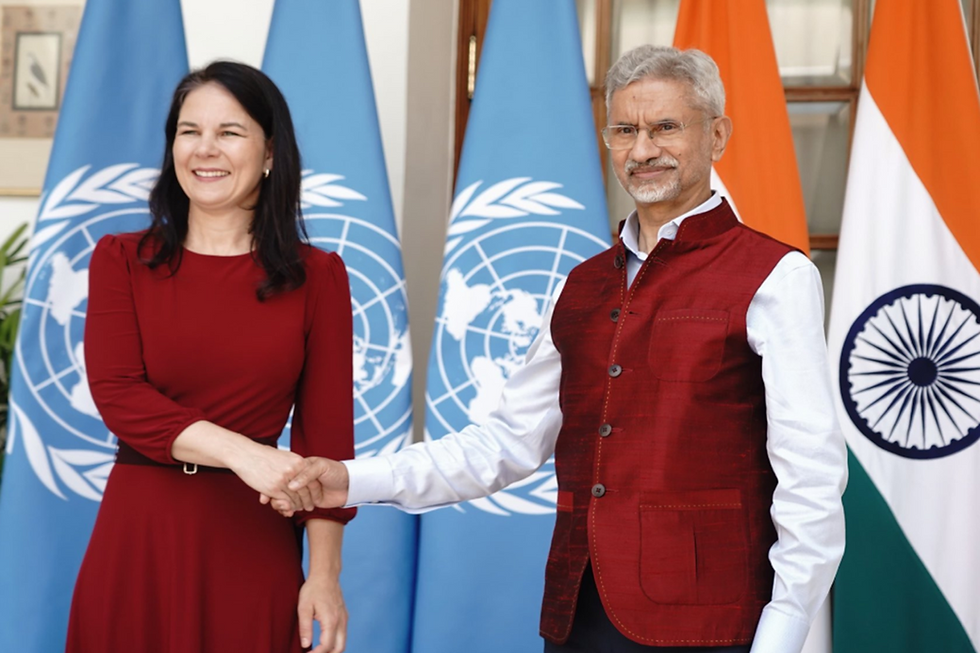
Global institutions today struggle to reflect contemporary realities. India’s call for reform addresses this gap. In his interaction with the President of the United Nations General Assembly (UNGA) Annalena Baerbock, Dr. Jaishankar emphasised the need for more representative and responsive global governance structures.
In a system searching for balance, Indian diplomats want to position the country as a stabiliser. This approach allows India to bridge divides across regions and ideologies. India’s foreign exchange reserves, which remain above USD 600 billion, provide macroeconomic stability, strengthening diplomatic leverage and enhancing global credibility.
A Quiet but Clear Message to the World

The significance of the 11th Heads of Missions Conference lies in its intent. India is building a coordinated diplomatic machinery. It is aligning foreign policy with economic priorities and crafting a narrative that speaks of both ambition and responsibility.
This moment is less about dominance and more about relevance, ensuring that India has a decisive voice in shaping global outcomes. As the conference unfolds in New Delhi, the message is clear: India will not just rise, it will help steer the direction of global discourse.


Comments